


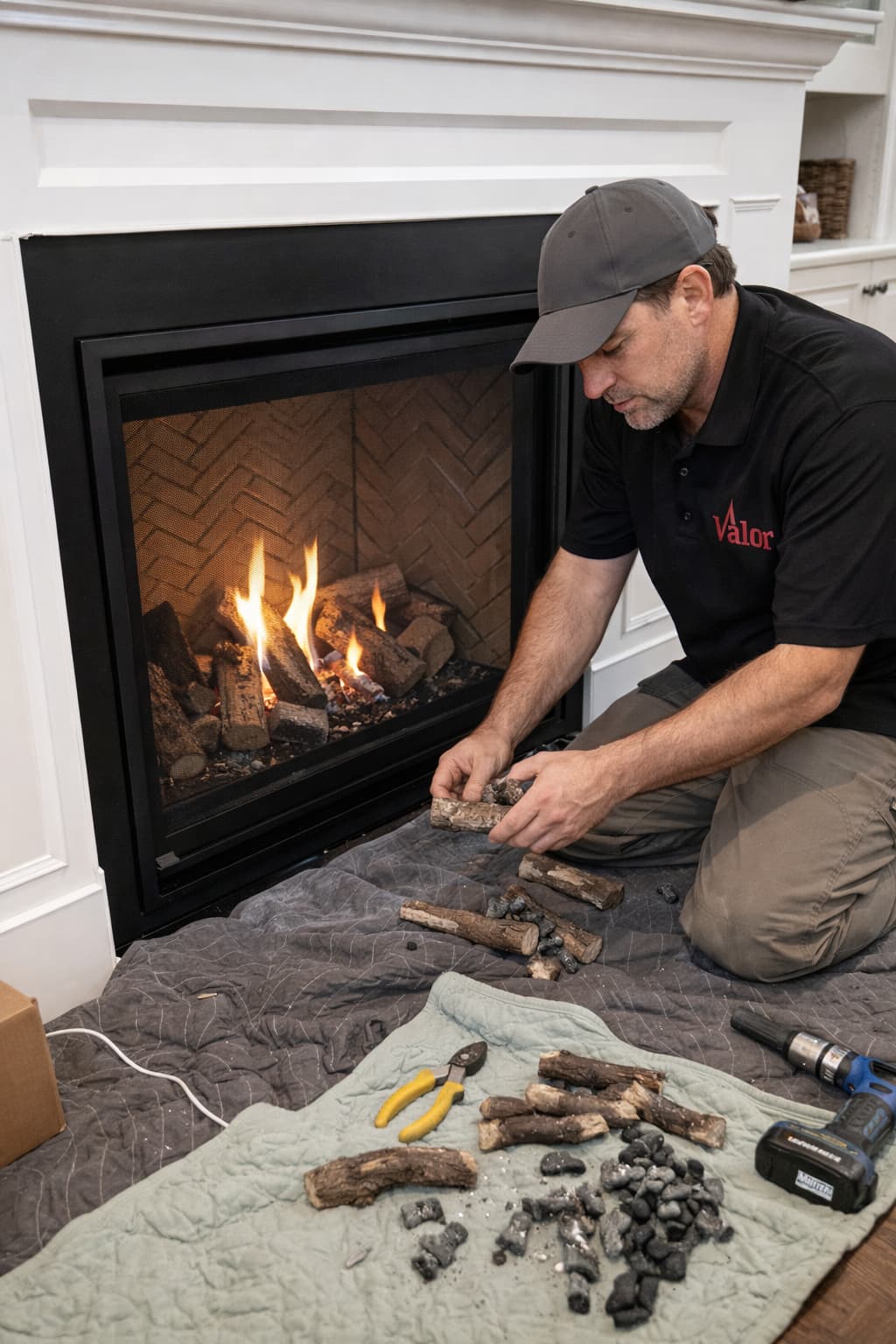
Fireplace Installation
A fireplace installer's job is to safely install a gas, wood, pellet, or electric fireplace (or insert) so it works properly, meets building codes, and vents correctly. Whether you're adding warmth to a new home or upgrading an existing space, professional installation ensures safety, efficiency, and peace of mind.
Before Installation
- Measure the space and confirm the right unit will fit
- Check clearances to combustibles (walls, framing, mantel, flooring)
- Confirm venting route (through wall, chimney, roof, or direct vent)
- Make sure the job will meet local codes + manufacturer specs
Installation Work
For gas fireplaces:
- Set the unit in place and secure it
- Install venting (direct vent or B-vent depending on model)
- Run gas line (or connect to existing one)
- Install electrical if needed (fan, ignition, remote receiver)
- Test for gas leaks and proper ignition/burn
For wood fireplaces/inserts:
- Install the firebox or insert
- Install a chimney liner (common for inserts)
- Set up proper chimney connection and clearances
For pellet stoves:
- Set up the stove and pellet vent pipe
- Ensure proper outside air intake (if required)
- Confirm safe clearances and floor protection
- Test feed system and burn
Safety Checks + Finishing
- Check draft and venting
- Confirm unit is burning clean and venting outside properly
- Install heat shields/trim kits/finishing pieces
- Do a final test run
- Walk you through: how to use it, cleaning, and maintenance

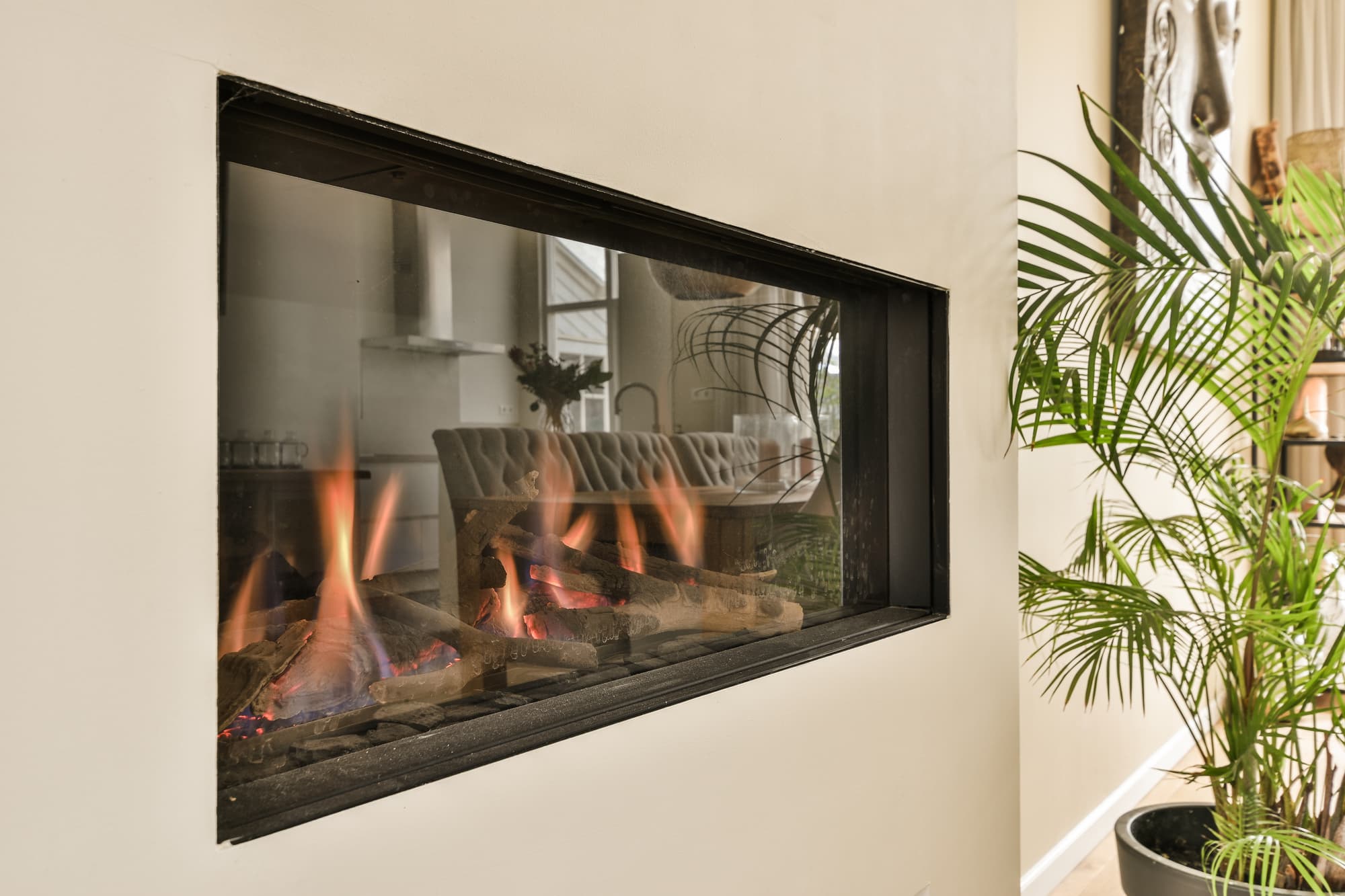
Gas Fireplace Service
Think safety + efficiency + looks.
A well-maintained gas fireplace not only provides reliable warmth and ambiance, but also operates safely and efficiently. Our comprehensive service ensures every component is functioning properly, from the ignition system to the venting. Regular maintenance prevents unexpected breakdowns and keeps your fireplace looking its best all season long.
They typically:
- Inspect the firebox & glass for cracks, wear, or leaks
- Clean the glass (soot film kills the vibe fast)
- Check and clean the burner & logs to make sure flames look right (blue/orange balance)
- Test the pilot light or ignition system
- Inspect the gas valve & connections for leaks
- Check safety sensors (thermocouple/thermopile)
- Inspect the venting & chimney for blockages or corrosion
- Verify proper draft and airflow
- Confirm CO safety (sometimes with a meter)
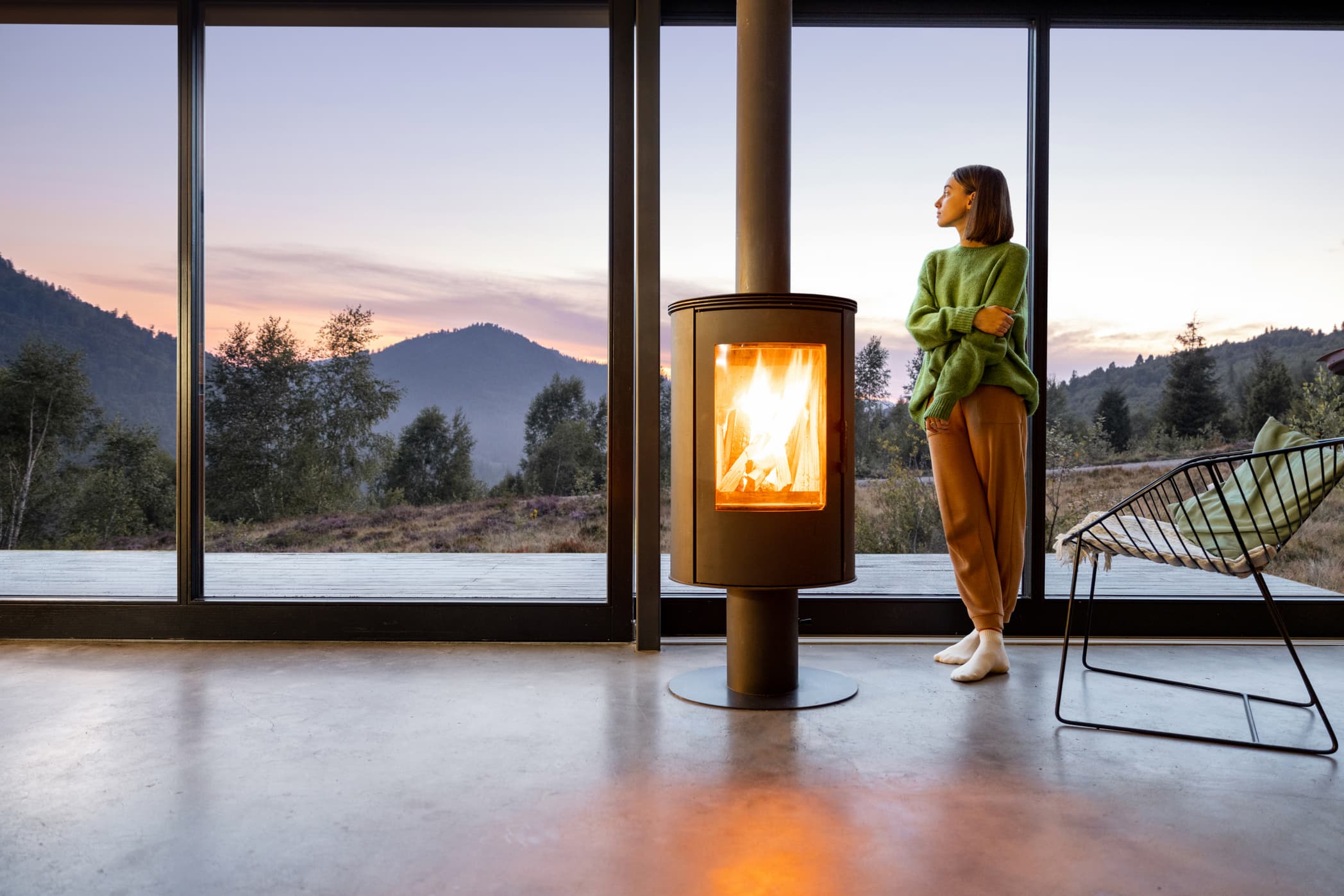
Pellet Fireplace / Stove Service
More mechanical, more moving parts.
Pellet stoves are complex heating systems with multiple mechanical components that require specialized maintenance. From the auger that feeds pellets to the combustion blower that controls airflow, each part plays a critical role in performance. Our technicians are trained to service every aspect of your pellet system, ensuring optimal efficiency and preventing the buildup that can lead to poor performance or system failure.
They typically:
- Vacuum ash and soot from:
- Burn pot
- Firebox
- Heat exchangers
- Clean the exhaust venting
- Inspect and clean the auger (feeds pellets)
- Check fans/blowers (combustion + convection)
- Inspect gaskets and seals
- Test sensors & control board
- Confirm feed rate and flame quality
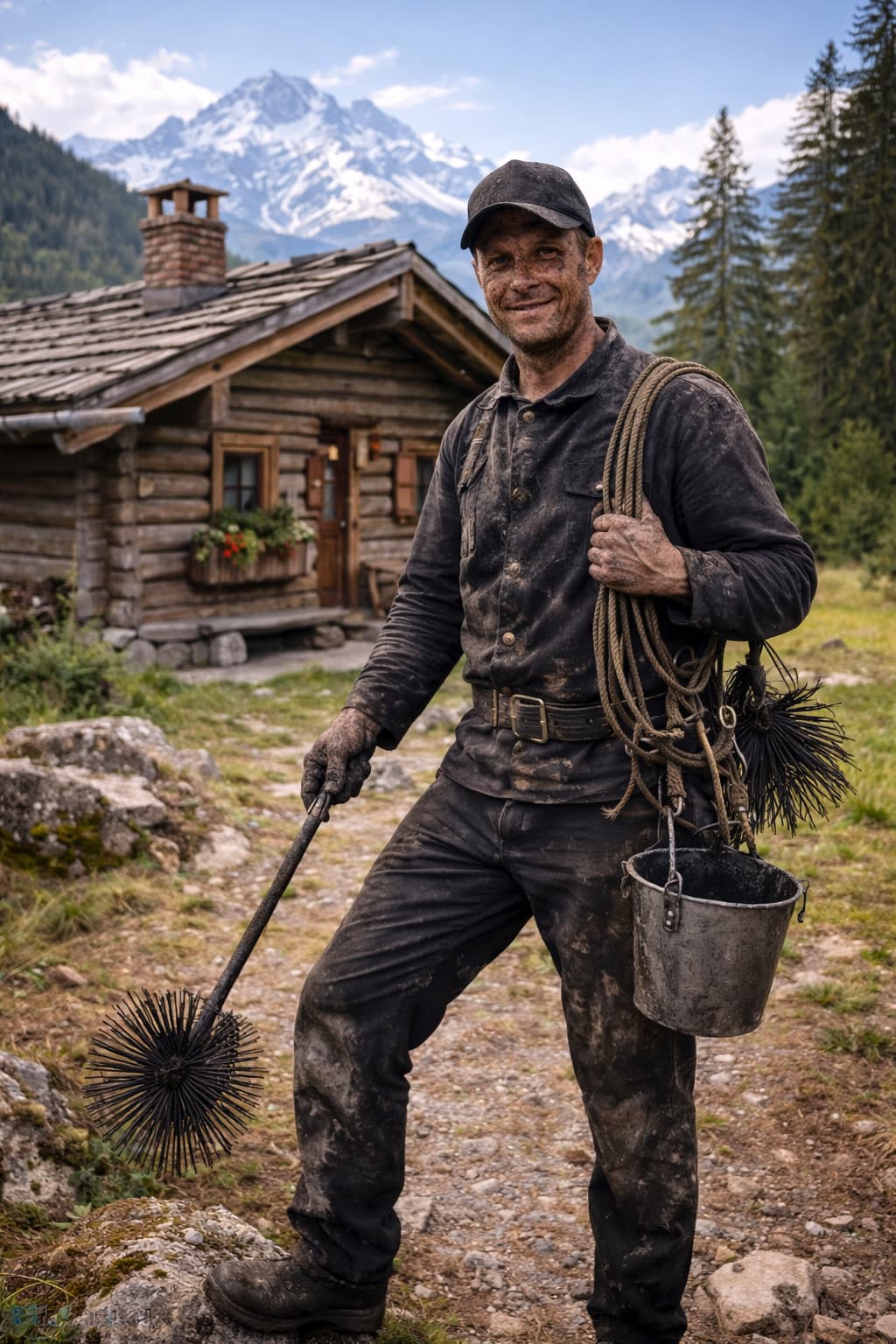
Chimney Sweeping
A chimney sweep is someone who cleans and inspects chimneys and fireplaces to keep them working safely and efficiently. Regular sweeping is one of the most important steps in preventing chimney fires and ensuring proper ventilation in your home.
Here's what they do:
- Clean out soot and creosote (a sticky, flammable buildup from burning wood) so it doesn't cause a chimney fire
- Remove blockages like bird nests, leaves, or debris that can trap smoke and gases inside your home
- Inspect the chimney for cracks, loose bricks, damage, or leaks
- Check the damper and flue to make sure they open/close properly and vent smoke the right way
- Sometimes they'll also install chimney caps, recommend repairs, or help improve how well your fireplace drafts (pulls smoke up and out)
Why it matters:
A dirty or blocked chimney can cause smoke in the house, chimney fires, and even carbon monoxide problems.
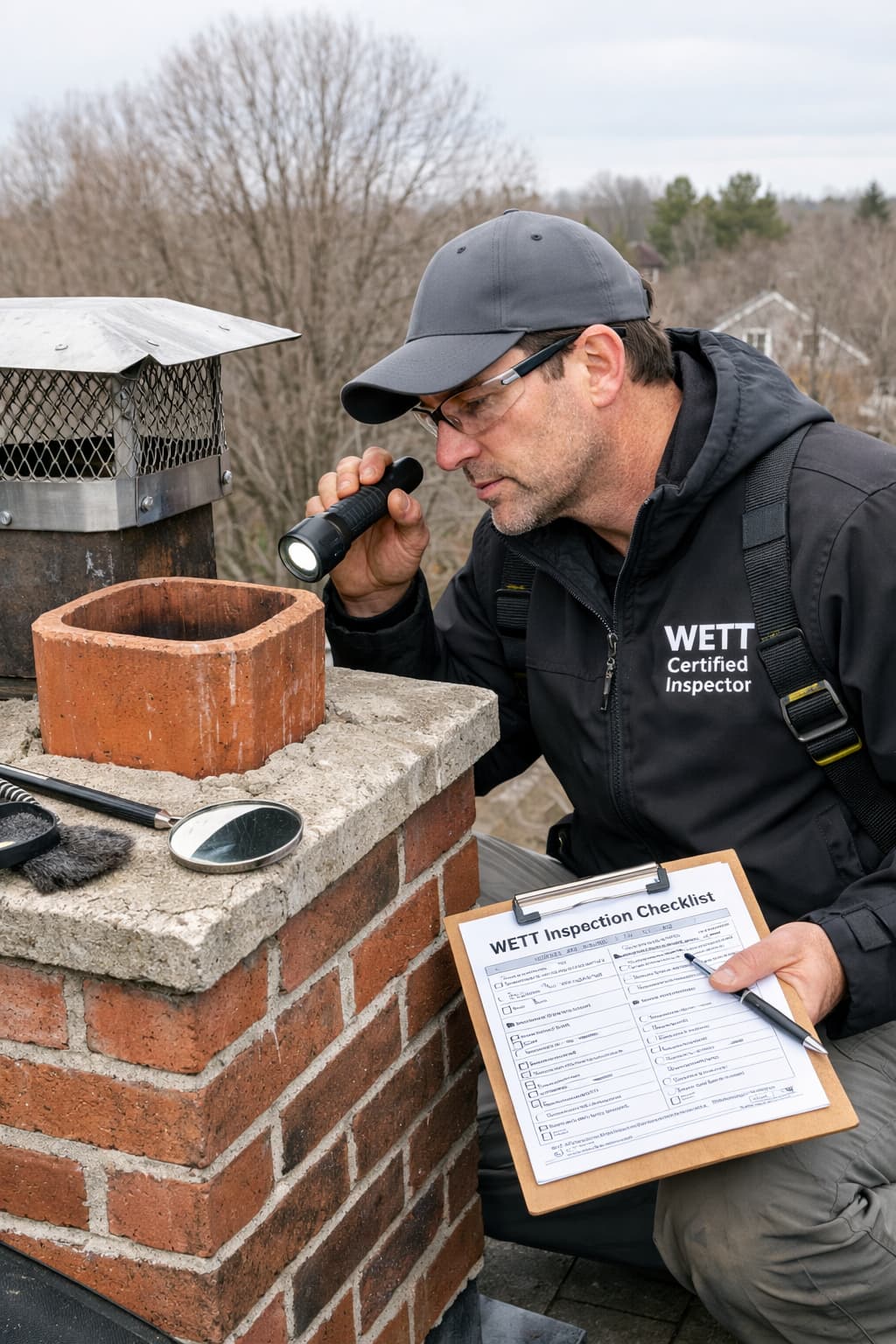
WETT Inspections
A WETT (Wood Energy Technology Transfer) inspection is a comprehensive safety assessment of wood-burning appliances and their installation. Whether you're buying a home, getting insurance, or want peace of mind about your system, a WETT inspection provides documented proof that your setup meets safety standards.
What a WETT inspector checks:
- Wood stoves, fireplaces, inserts & pellet stoves
- Chimneys, liners, venting pipe, elbows, caps
- Clearances to combustibles (walls, framing, ceilings, mantels, furniture)
- Hearth and floor protection (proper non-combustible pad size + thickness)
- Chimney height and termination (above roofline, correct clearances)
- Proper connection and support of stovepipe and chimney
Signs of unsafe conditions:
- Creosote buildup
- Cracked liners
- Leaks, corrosion, loose joints
- Heat damage on framing/drywall
What you get after:
- A written inspection report (often with photos)
- Notes on deficiencies and what needs to be fixed
- Sometimes a pass/fail style result depending on the inspection type
When people usually need one:
- Buying or selling a home (insurance or real estate condition)
- Getting insurance coverage for a wood-burning appliance
- After a new install or renovation
- After a chimney fire or safety concern
How Often?
Regular maintenance isn't just a recommendation—it's essential for safety, efficiency, and longevity. The frequency of service depends on your type of heating appliance and how heavily you use it. Following these guidelines will help you get the most out of your investment while keeping your home safe and warm.
Wood fireplace:
Once every 12 months and as necessary, depending on creosote deposits.
Gas fireplace:
Once a year (especially before winter)
Pellet stove:
- Light cleaning: every few weeks during use
- Full professional service: once a year
Signs You're Due for Service
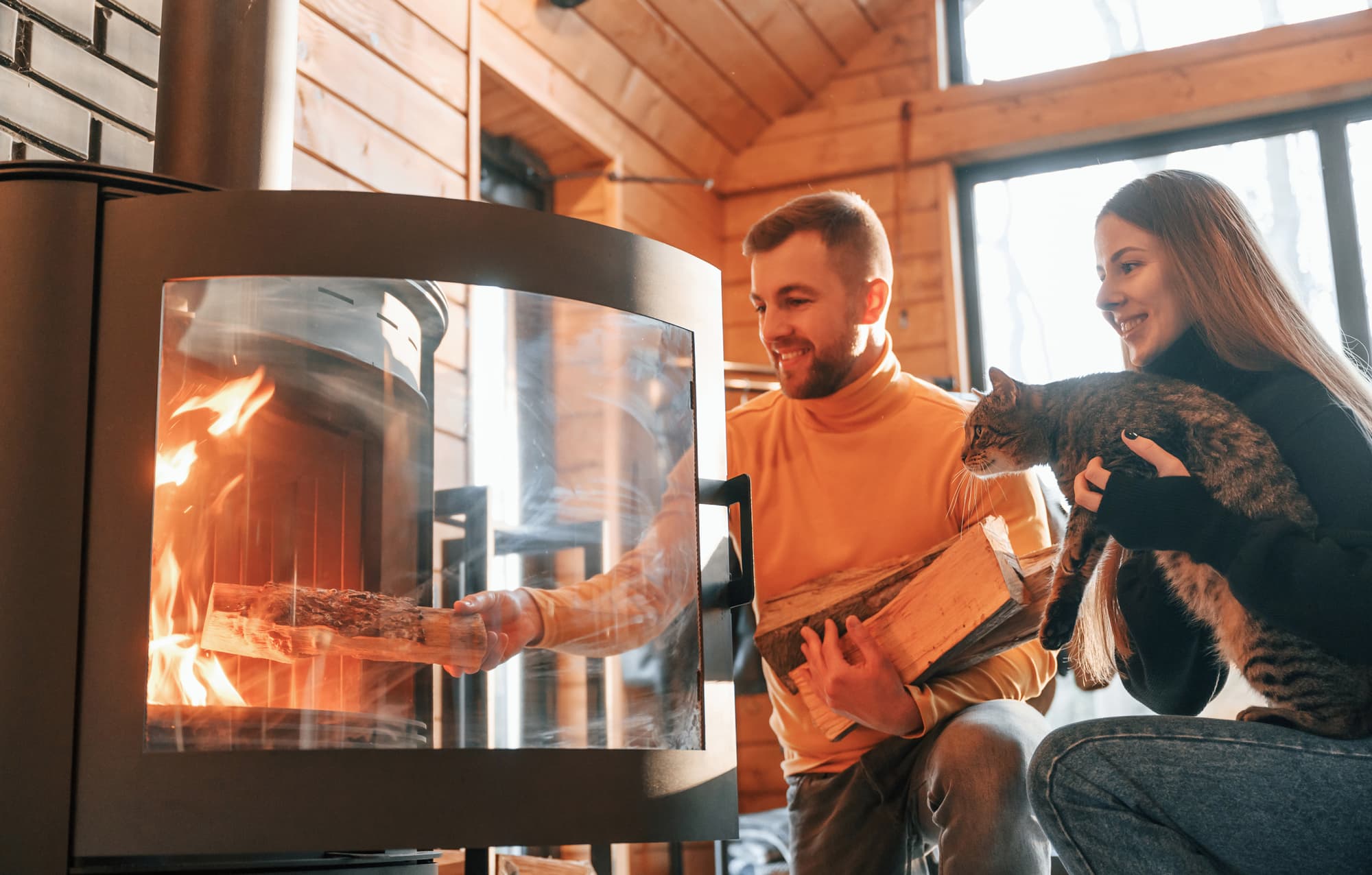
Your fireplace or stove is trying to tell you something. Recognizing the warning signs early can prevent costly repairs and ensure your family's safety. If you notice any of these symptoms, it's time to schedule a professional service appointment.
- Trouble lighting or staying lit
- Sooty glass or weak flame
- Strange smells or noises
- Poor heat output
- Error codes (pellet units)